Garden mulch is one of the simplest yet most effective tools for transforming your garden. Whether you’re a beginner gardener or a seasoned pro, understanding when, where, and why to use mulch can take your gardening game to the next level. In this comprehensive guide, we’ll explore the benefits of mulch, the types available, how to apply it, and much more.

Shop Garden Mulch Online!
Van Beek's has an extensive selection of quality mulch available to buy online.
Shop NowWhat is Mulch?
Mulch is a layer of material applied to the surface of the soil. It can be organic (like wood chips or compost) or inorganic (like gravel or rubber). Mulch serves various purposes, such as retaining moisture, suppressing weeds, and improving your garden's visual appeal. But that’s just the tip of the iceberg—mulch has many practical benefits for your garden.
Benefits of Mulching
Adding mulch to your garden offers a wide range of benefits that go beyond aesthetics. Here’s how mulch can enhance your garden:
- Weed Suppression: A thick layer of mulch blocks sunlight, making it difficult for weed seeds to germinate and grow.
- Moisture Retention: Mulch reduces evaporation, ensuring your plants stay hydrated for longer, especially during hot weather.
- Soil Improvement: Organic mulches decompose over time, enriching the soil with nutrients and improving its structure.
- Temperature Regulation: Mulch insulates the soil, keeping it cooler in the summer and warmer in the winter, which protects plant roots.
- Erosion Control: By preventing rain from washing away topsoil, mulch helps maintain soil integrity.
- Pest Deterrence: Certain types of mulch, like cedar, can repel insects and pests naturally.
- Enhanced Garden Appearance: Mulch gives garden beds a clean, uniform appearance, boosting curb appeal.
- Reduced Maintenance: By suppressing weeds and retaining moisture, mulch minimizes the time spent on watering and weeding.
These benefits make mulching a must-have tool for any gardener, whether you’re mulching flower beds, vegetable gardens, or walkways.

When Should You Use Garden Mulch?
Timing is everything when it comes to mulching. Here’s a breakdown of the best times to mulch your garden:
Spring
Spring is an ideal time for mulching because it:
- Prepares your garden for the growing season by enriching the soil.
- It helps control weeds before they get a chance to sprout.
- Retains moisture during the warmer months.
Fall and Winter
Mulching in fall and winter offers several benefits:
- Insulates plant roots from harsh freeze-thaw cycles.
- Prevents soil erosion during heavy rains or snow.
- Prepares the soil for spring planting.
Pro Tip: Always mulch when the soil is moist and weed-free for the best results.
Why Use Garden Mulch
Garden mulch isn’t just about improving plant health—it’s a versatile tool that enhances your garden’s overall look and functionality. Here’s a closer look at how mulch contributes to your garden’s success and why it’s a must-have for gardeners of all levels.

1. Aesthetic Appeal
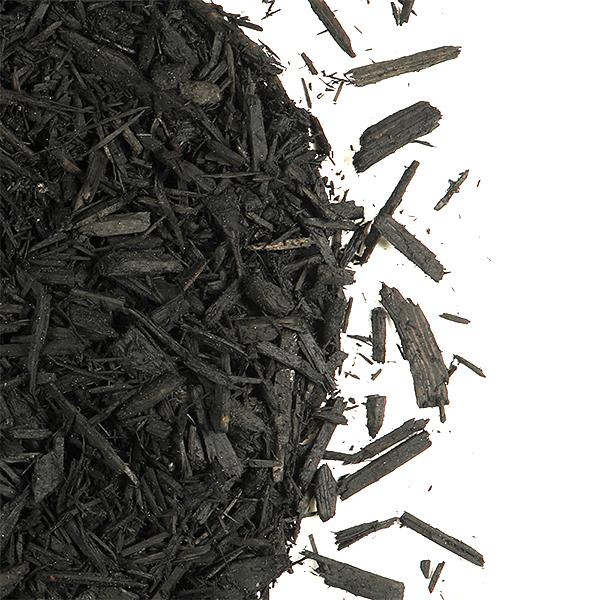
One of the easiest ways to transform your garden is by adding mulch. Whether you choose black mulch for a sleek, modern look or natural wood chips for a rustic feel, mulch creates a clean, uniform appearance. It highlights the vibrant colours of your flowers, vegetables, and greenery while defining pathways, flower beds, and borders.
Mulch also reduces the appearance of weeds and keeps your garden looking tidy. Mulch is an unbeatable choice for a professional landscaping finish.
2. Water Conservation
If you’re looking for ways to save water, mulch is your ally. By covering the soil, mulch slows evaporation, helping plants retain moisture for longer periods. This is especially valuable when water conservation is critical in hot, dry climates or during summer. With mulch, you’ll spend less time watering and more time enjoying your garden.
3. Time Saver
Mulch simplifies garden maintenance by significantly reducing the time spent on weeding and watering. A thick layer of mulch blocks sunlight, preventing weeds from sprouting and competing with your plants. At the same time, it regulates soil moisture, so you don’t have to water as frequently. For busy gardeners, mulch offers an easy way to keep plants thriving with minimal effort.

4. Versatility for Different Applications
Mulch adapts beautifully to various garden types, making it an essential element no matter what you’re growing.
- Vegetable Gardens: In vegetable gardens, mulch is key to moisture retention and soil improvement. Lighter organic mulches like straw, grass clippings, or shredded leaves are ideal because they decompose quickly and are easily turned into the soil during annual planting. Mulch also prevents soil from splashing onto your veggies, keeping them clean and reducing disease risk.
- Flower Gardens: Mulch adds visual polish to flower beds while protecting delicate roots from temperature fluctuations. Decorative mulches, such as black mulch or bark chips, can enhance the beauty of blooms while suppressing weeds. Just be sure to leave a small gap around the base of your flowers to prevent rot.
- Around Trees and Shrubs: Mulch insulates tree and shrub roots, retaining moisture and protecting against extreme temperatures. Cedar mulch is particularly effective here due to its longevity and pest-repellent properties.
- Paths and Walkways: Inorganic mulches, such as gravel or rubber mulch, are suitable for high-traffic areas. These materials provide durability and a polished look, and they prevent soil compaction, ensuring your pathways remain neat and functional.
Types of Garden Mulch
Mulch comes in a variety of materials, each suited to different gardening needs. Choosing the right type of mulch depends on factors like the type of plants, the soil conditions, and your aesthetic preferences. Garden mulches are broadly divided into organic and inorganic categories.
Organic Mulches
Organic mulches are derived from natural materials and decompose over time, enriching the soil with nutrients. Here are some popular options:
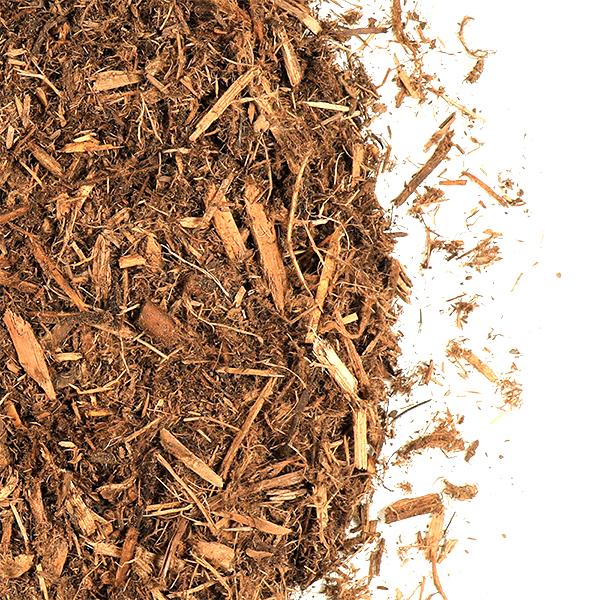
- Cedar Mulch
- Benefits: Cedar mulch is long-lasting and has natural oils that repel insects, making it ideal for gardens prone to pest problems.
- Best for: Flower beds, around shrubs, and ornamental trees.
- Appearance: Offers a reddish-brown hue, adding a warm and natural look to garden beds.
- Black Mulch
- Benefits: Dyed mulch creates a polished, dramatic look. It helps retain moisture and suppress weeds.
- Best For: Modern landscapes and decorative gardens where aesthetics are a priority.
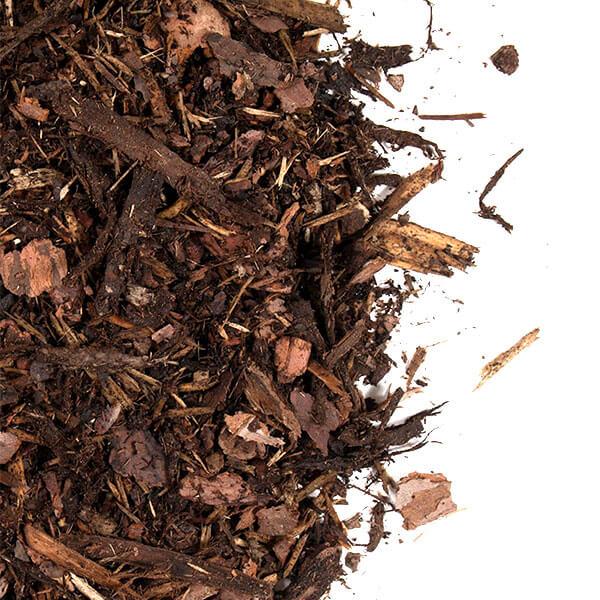
- Wood Chips and Bark
- Benefits: Wood chips and bark are readily available and budget-friendly. They break down slowly and improve soil texture over time.
- Best for: Perennial beds, trees, and shrubs.
Pro Tip: use bark for long-term coverage and wood chips for temporary mulching.
- Grass Clippings
- Benefits: A cost-effective option that adds nitrogen to the soil as it decomposes.
- Best for: Vegetable gardens and small beds.
Note: Use dry grass clippings to avoid clumping and potential mould
- Straw and Hay
- Benefits: Lightweight and easy to spread, straw and hay are great for moisture retention and weed control.
- Best for: Vegetable gardens, especially around crops like strawberries.
Note: Ensure it is a weed-free straw to prevent weed seeds from being introduced into your garden.
- Composted mulch
- Benefits: Packed with nutrients, compost improves soil fertility and promotes plant growth.
- Best for: Vegetable gardens, flower beds, and potted plants.
Pro Tip: Apply a layer of compost under another mulch type for the best of both worlds.

Inorganic Mulches
Inorganic mulches do not decompose and are often used for decorative purposes or in areas where long-lasting coverage is required. While they don’t enrich the soil, they prevent weeds and erosion.
- Gravel and Stones
- Benefits: Gravel and stones provide excellent drainage. They are durable, decorative, and available in various colours and sizes.
- Best for: Xeriscaping, pathways and areas with little to no plant growth.
- Appearance: Adds a clean, modern look to landscapes
- Rubber Mulch
- Benefits: Made from recycled tires, rubber mulch lasts for years, doesn’t compact, and provides good insulation.
- Best for: Playgrounds, walkways, and high-traffic areas.
Note: While durable, rubber mulch does not improve soil health and can retain heat, which may harm delicate plants.
- Landscaping fabric
- Benefits: Acts as a strong barrier against weeds and allows water and nutrients to reach plant roots.
- Best for: Under decorative mulches like gravel or bark.
Pro Tip: Cover the fabric with another mulch type for better aesthetics.
- Plastic Sheeting
- Benefits: Excellent for controlling weeds and retaining soil moisture.
- Best for: Vegetable gardens, particularly for crops like tomatoes and melons.
Note: Plastic sheeting can restrict airflow and water penetration, so use it cautiously.


Which Mulch is Right for You?
Choosing the right mulch depends on your specific gardening goals:
- To enrich the soil and promote plant growth, go for organic options like compost, cedar mulch, or shredded leaves.
- Consider inorganic mulches like rubber mulch or gravel for low maintenance and long-lasting coverage.
- If aesthetics are important, black mulch or decorative stones like slate and pea stone can elevate your garden’s appearance.
Where Should You Use Mulch?

Mulch can be applied almost anywhere in your garden:
- Flower Beds: Keeps weeds at bay and adds a polished look.
- Vegetable Gardens: Retains moisture and improves soil fertility.
- Around Trees and Shrubs: Protects roots and prevents weed growth.
- Pathways and Walkways: Enhances aesthetics and reduces erosion.
Tip: Keep mulch 2–3 inches away from plant stems to prevent rot.
How Much Mulch do you Need?
Calculating the right amount of mulch ensures you don’t run out—or end up with a surplus. When buying mulch you want to calculate the cubic area that you want to fill. Use this simple formula, or try our mulch calculator to figure out how much mulch you need for your project.
- Measure your area:
- Measure the length and width of your garden area.
- Multiply the length and width to get the total square footage.
- Decide on Depth: 2-4 inches is ideal for most gardens.
- Convert to Cubic Feet or Yards:
- First find the cubic feet: Multiply the square footage by depth (in inches) and divide by 12.
- Then find the cubic yards: Divide the cubic feet result by 27.
Mulch Calculator

How to Apply Garden Mulch
Follow these steps for effective mulching:
- Prepare the Area:
- Remove weeds and old mulch.
- Loosen the soil and water it if dry.
- Spread the Mulch:
- Apply a 2–4-inch layer evenly across the surface.
- Avoid piling mulch directly against tree trunks or plant stems.
- Water Lightly:
- After spreading, water lightly to help the mulch settle.
- Refresh Annually:
- Reapply mulch as it decomposes to maintain its benefits.