How Early Can You Plant Grass Seed?
Published on
21-Feb-2023 3:55:27 PM

Shop Grass Seed Online!
Van Beek's has an extensive selection of grass seed available to buy online.
Shop NowHow Early Can You Plant Grass Seed Successfully?
You can plant grass seed in Ontario as soon as soil temperatures consistently reach 10°C (50°F). This is the minimum temperature required for proper germination.
In most parts of Ontario, these conditions typically begin around mid to late April, although this can vary depending on the year and your specific location.
Many homeowners make the mistake of planting based on warm air temperatures alone—but grass seed responds to soil temperature, not how warm it feels outside.
If you plant too early:
- Germination will be slow or uneven
- Seeds may rot in cold, wet soil
- You risk wasting time and money on reseeding
👉 The key takeaway: Don’t rush—wait for the soil to be ready.

Why Does Soil Temperature Matter for Grass Seed?
What Happens Below 10°C Soil Temperature?
When soil temperatures are below 10°C:
- Grass seed remains dormant or germinates very slowly
- Excess moisture can cause seeds to rot
- Fungus and disease risks increase
This is why early spring seeding often fails when done too soon.
What Is the Ideal Temperature for Grass Seed Growth?
While 10°C is the minimum, the best time for grass seed to grow is when soil temperatures range between 10°C and 18°C.
This temperature range allows for:
- Faster germination
- Strong root development
- Healthier, thicker lawns

When to Plant Grass Seed in Ontario for Best Results
Is April Too Early to Plant Grass Seed?
April can be too early—or just right.
It all depends on soil temperature.
- Early April: Usually too cold
- Mid to late April: Often ideal
- May: Consistently safe for planting
If you're unsure, a soil thermometer is a great tool—but a general rule is to wait until:
- Snow is fully gone
- Soil is no longer soggy
- Daytime temperatures are consistently mild
How to Plant Grass Seed in Early Spring
Planting grass seed properly makes all the difference in your results.
👉 For a full breakdown of planting grass seed in the spring, check out our guide on Best Strategies for Growing Grass Seed in the Spring.

Step 1: Prepare the Soil
Use a Garden Rake to:
- Loosen the top layer of soil
- Remove debris and dead grass
- Create a smooth, even surface
Adding LawnPro Soil can significantly improve seed-to-soil contact and boost germination.
Step 2: Choose the Right Grass Seed
Selecting the right seed is critical for success:
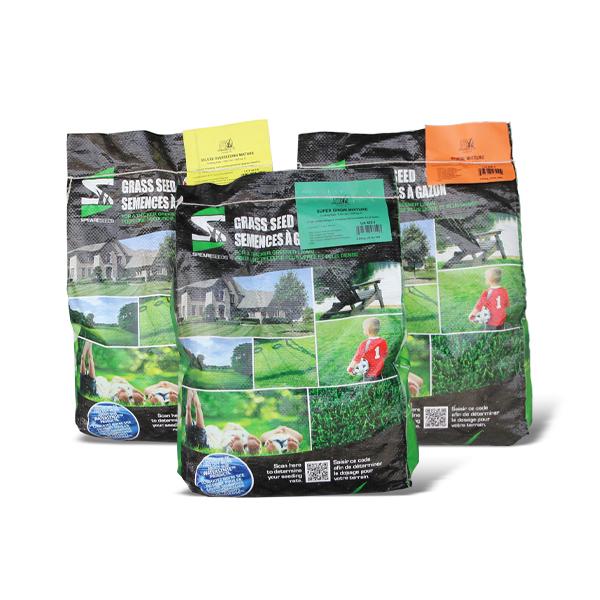
- Deluxe Sun and Shade Grass Seed – Best for mixed light conditions
- Shade Mixture Grass Seed – Ideal for low-light areas
- Super Grow Grass Seed – Fast germination and strong growth

Step 3: Spread the Seed Evenly
Use a Broadcast Spreader for large areas or a Handheld Spreader for smaller patches and evenly cover to prevent patchy growth.

Step 4: Fertilize for Strong Growth
Apply a starter fertilizer like Spring Green Up Fertilizer. This gives your grass the nutrients it needs to establish quickly.
Step 5: Water Consistently
- Light watering 1–2 times daily
- Keep soil moist—not soaked
- Continue until grass is established

How to Get the Best Germination Rates
If you want professional-level results, you need to focus on germination.
👉 Check out our full guide on how to achieve 90% germination for grass seed.
What Affects Grass Seed Germination?
Several key factors influence success:
- Soil temperature (must be 10°C or higher)
- Watering consistency
- Seed-to-soil contact
- Seed quality
Tips to Improve Grass Seed Success
- Water lightly and frequently
- Avoid seeding before heavy rain
- Use high-quality seed blends
- Apply fertilizer at seeding

Should You Overseed in Early Spring?
Yes—overseeding grass seed in early spring can be very effective, especially if your lawn has:
- Thin areas
- Bare patches
- Winter damage
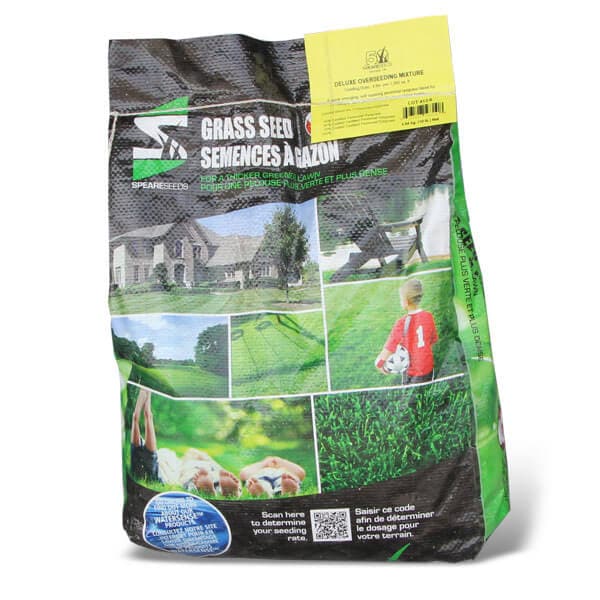
Try Deluxe Overseeding Grass Seed.
For repairing damaged areas, use Bare Repair Fertilizer.